
No products in the cart.
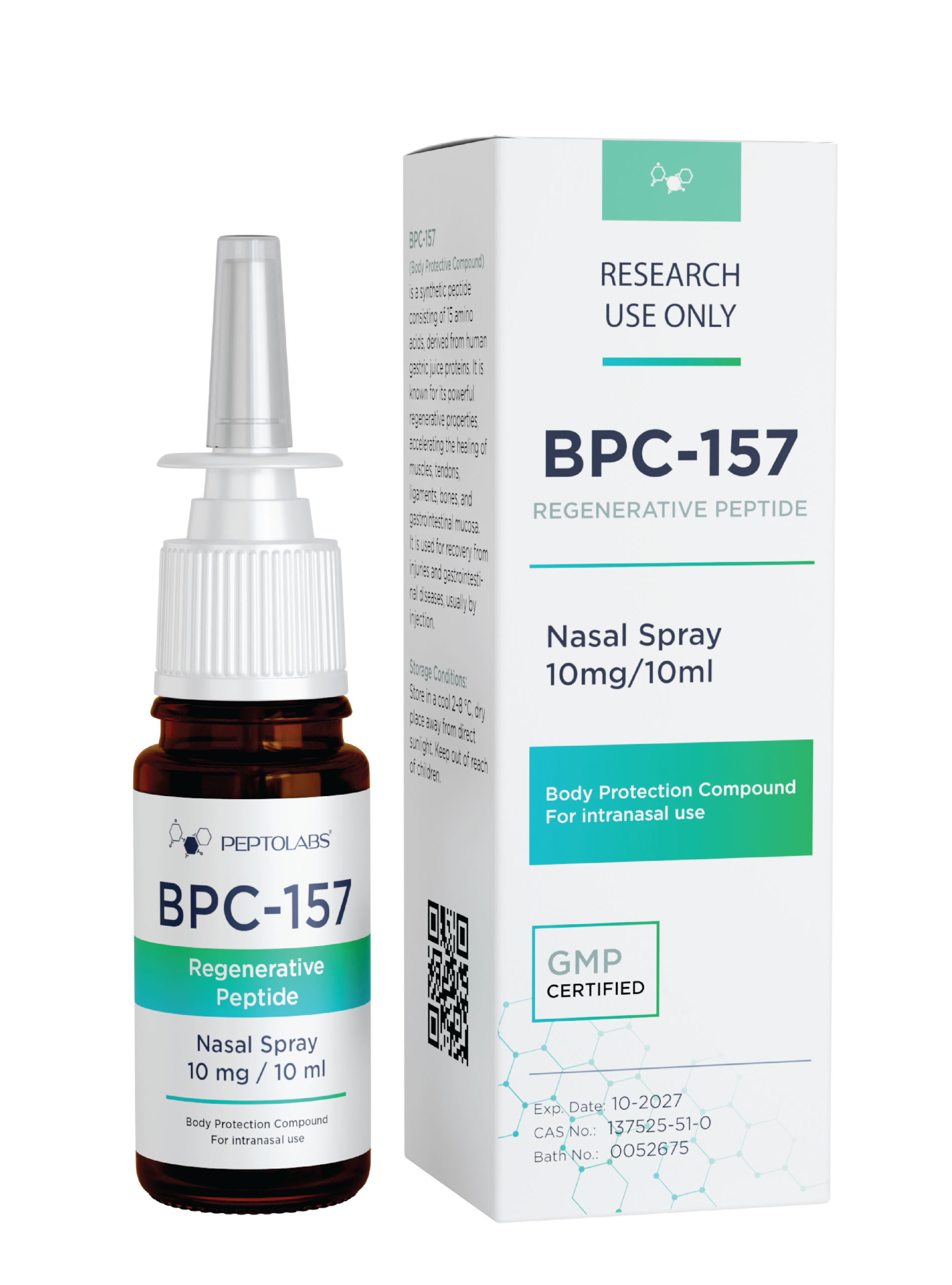
Pentadecapeptide BPC-157 10mg/10ml spray
$100
BPC-157 is a peptide originally isolated from human gastric juice and consists of 15 amino acids. It is considered a stable fragment of a larger peptide known as the “Body Protection Compound.” BPC-157 has received significant attention in scientific research due to its potential anti-inflammatory and regenerative properties. Preliminary studies have shown that it can promote the healing of various injuries, including joint, muscle, nerve, and even gastrointestinal ulcers. It also has potential for the treatment of inflammatory bowel disease.
In Stock
Description
BPC-157, or Body Protection Compound-157, is derived from a naturally occurring protein, body protection compound (BPC), found in the human digestive tract. BPC’s primary function is to protect the gastrointestinal mucosa, promote healing, and stimulate blood vessel growth. The synthetic version, BPC-157, is a pentadecapeptide consisting of 15 amino acids, extracted from the larger BPC protein. Remarkably, it retains many of the therapeutic properties observed in its parent molecule. BPC-157 has been shown to have a particularly beneficial effect in the following areas:
- Wound healing
- Promoting the growth of blood vessels
- Effect on the blood coagulation cascade
- Generation of nitric oxide
- Improving immune system function
- Modulation of gene expression
- Regulation of hormones, especially in the gastrointestinal nervous system.
Mechanisms of action of BPC-157 in ulcers and gastritis
BPC-157 was first isolated from a gastroprotective protein found in gastric juice , so its connection to the gastrointestinal tract is key.
Acceleration of mucosal healing
- The peptide stimulates angiogenesis (growth of new blood vessels) and improves blood supply to the gastric mucosa.
- Enhances the expression of growth factors (VEGF, TGF-β), which accelerates the regeneration of damaged tissues.
Protection from aggressive factors
- Increases the resistance of the mucous membrane to the action of hydrochloric acid and pepsin.
- Stimulates the production of protective mucus and prostaglandins .
Anti-inflammatory effect
- Reduces the activity of proinflammatory cytokines (TNF-α, IL-6).
- Reduces swelling and neutrophilic inflammation in the area of ulcers or gastritis.
Impact on microflora
Indirectly maintains balance in the gastrointestinal environment by improving conditions for the growth of “friendly” bacteria.
Potential effect on gastritis and ulcers
- Normalization of gastrointestinal functions
- Prevention of gastritis and gastric ulcers
- Acceleration of healing of gastric mucosal defects
- Polyps in the stomach
- Anacid gastritis for the prevention of stomach cancer
- Acceleration of Helicobacter Pylori elimination
- Heartburn, belching, heaviness in the stomach and other digestive disorders
BPC-157 and wound healing
BPC’s natural role in the gastrointestinal tract is to protect the integrity of the mucosa, shielding the underlying tissue from the harmful effects of gastric acid, bile, and other digestive compounds necessary for the absorption of nutrients from food. A key part of this function is the recruitment of fibroblasts. BPC-157 exerts a dose-dependent effect on fibroblast behavior both in culture and in vivo, leading to enhanced proliferation and migration of these cells. Fibroblasts play a crucial role in the healing process, as they are responsible for the deposition of important extracellular matrix proteins such as collagen, fibrin, elastin, and others.
Vessel growth and collateralization
BPC-157 is a potent angiogenic factor known for its ability to significantly accelerate the proliferation and growth of endothelial cells, which are responsible for lining blood vessels. Studies in rats have shown that the peptide significantly accelerates the growth of collateral blood vessels in the context of ischemia. Although this effect was primarily observed in the gastrointestinal tract, there is growing evidence that similar benefits are observed in cardiovascular, neurological, and muscle tissues. This suggests that BPC-157 may hold promise both as a treatment for stroke and myocardial infarction and as a research peptide for studying mechanisms that promote healing after ischemic injury. Furthermore, studies in chicken embryos indicate that BPC-157’s stimulation of vascular growth is achieved in part by stimulating VEGFR2, a cell surface receptor that plays an active role in the nitric oxide signaling pathway. VEGFR2 is believed to be important for the growth, proliferation, and longevity of endothelial cells. Cell culture studies have successfully demonstrated that BPC-157 administration induces the phenomenon of “vasculature beading.” “Vasculature beading” refers to the growth of blood vessels toward a damaged or blocked area to restore blood flow to surrounding tissues while preserving cellular function. This unique ability of BPC-157 opens the potential for developing an effective oral treatment for slowly developing arterial occlusions, commonly seen in conditions such as atherosclerotic heart disease. In the future, this area of research may potentially reduce the need for invasive surgical procedures such as stenting and coronary artery bypass grafting.
Antioxidant properties
Studies in rats have shown that BPC-157 has the ability to neutralize certain markers of oxidative stress, such as nitric oxide and malondialdehyde (MDA). This remarkable property makes BPC-157 a potent antioxidant, which is further supported by studies demonstrating its ability to reduce the production of reactive oxygen species in the gastrointestinal tract. Furthermore, studies delivering BPC-157 to the gastrointestinal tract using modified Lactococcus lactis bacteria showed a significant increase in peptide levels in cell culture.
BPC-157 and the bees
Colony collapse disorder (CCD) refers to a condition in which entire honeybee colonies experience rapid decline and subsequent collapse. The exact causes of this condition remain largely unknown, but one contributing factor is an infection of the honeybee gut caused by the fungus Nosema ceranae. Interestingly, researchers found that adding BPC-157 to honeybee diet reduced the damage caused by the fungus in the honeybee gut, leading to increased hive survival. These trials were conducted under natural field conditions, representing a significant milestone as the first effective oral treatment for mitigating the impact of CCD on a critical pollinator responsible for pollinating most food crops.
Application:
1 dose (2 sprays) in the morning on an empty stomach + 1 dose (2 sprays) before bed.
Compound:
BPC-157 10 mg
*All results are individual and depend on your health condition.
Related products
Add to Wishlist
Add to Wishlist
Add to Wishlist
Add to Wishlist
Add to Wishlist
Add to Wishlist
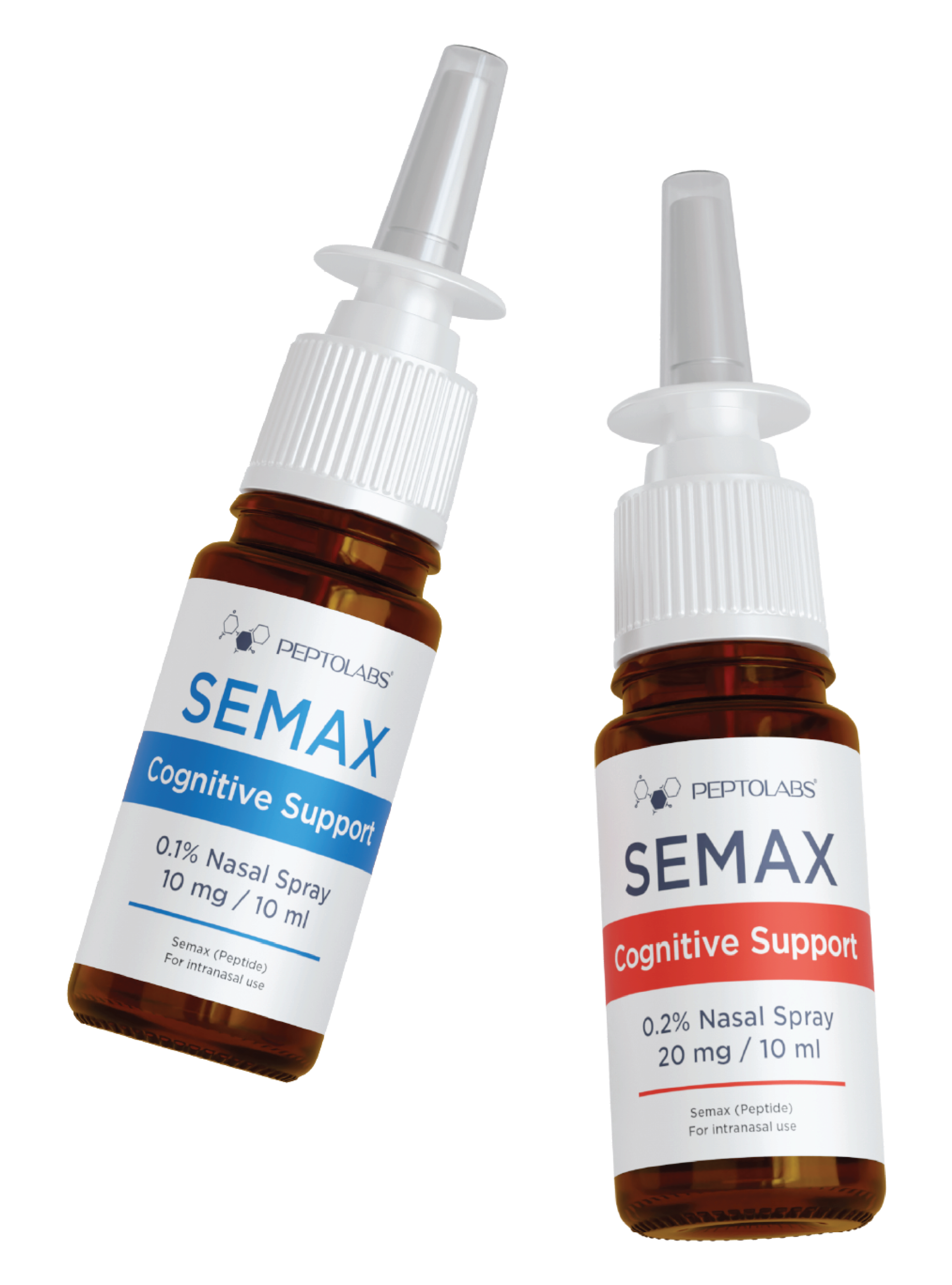
Semax 10/20 mg – Nasal spray Nootropic Peptide
Price range: $70 through $120Recently Viewed Products
Add to Wishlist
Add to Wishlist

Pentadecapeptide BPC-157 10mg/10ml spray $100
In Stock


Reviews
There are no reviews yet.